
A Changing View
Many people notice changes in their vision as they get older. Reading menus becomes more difficult, driving at night feels less comfortable, or brighter lighting seems necessary for everyday tasks. While these changes can be frustrating, they are often a normal part of the aging process. Understanding which vision changes are expected and which may require medical attention can help protect long-term eye health and provide peace of mind.
The reading challenge
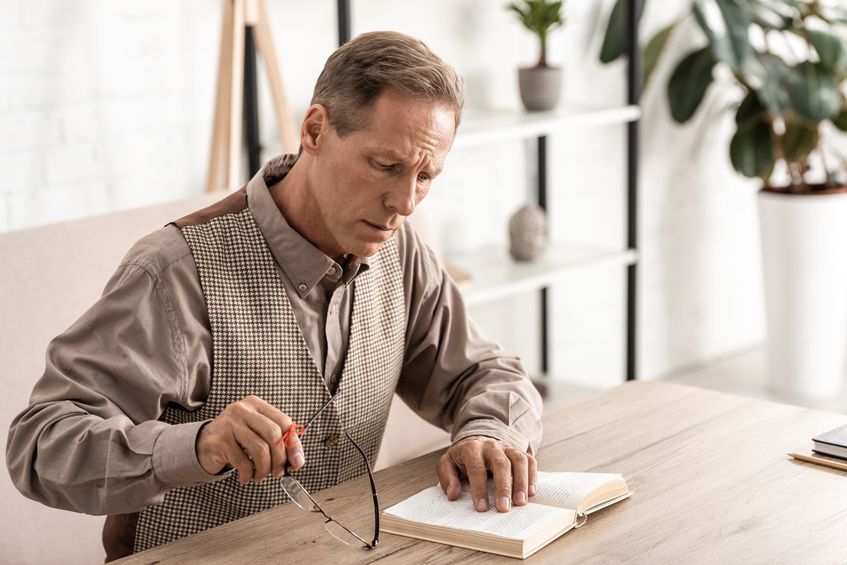
One of the most common age-related vision changes is presbyopia. This condition typically begins during the early to mid-40s and makes it harder to focus on objects up close. As the natural lens inside the eye becomes less flexible, activities such as reading, using a smartphone, or viewing small print may require reading glasses or stronger lighting. Nearly everyone experiences this change as they age.
Lights and shadows
Vision often becomes less adaptable to changing light conditions over time. Older adults may need significantly more light for reading and other close-up tasks. Night driving can also become more challenging due to increased glare from headlights, halos around lights, and reduced contrast sensitivity. These changes occur because the pupil becomes smaller and less responsive, allowing less light into the eye.
When eyes feel dry
Dry eye symptoms become increasingly common with age. Reduced tear production can cause burning, irritation, redness, or a gritty sensation. Hormonal changes, certain medications, and environmental factors can contribute to these symptoms. While dry eye is often manageable with treatment, persistent discomfort should be evaluated during an eye exam.
More than aging
Not every vision change should be dismissed as a normal part of getting older. Certain eye conditions become more common with age and may cause permanent vision loss if left untreated. Because many of these diseases develop gradually, routine eye exams play an important role in early detection.
The silent threat
Glaucoma is often called the “silent thief of sight” because it can develop without noticeable symptoms. The condition damages the optic nerve and typically affects peripheral vision first. Many individuals are unaware they have glaucoma until significant vision loss has already occurred. Regular eye examinations help identify glaucoma before permanent damage progresses.
Protecting central vision
Age-related macular degeneration affects the central portion of vision needed for reading, driving, and recognizing faces. Early symptoms may include blurred central vision or straight lines appearing wavy. While age is the primary risk factor, early diagnosis and monitoring can help preserve vision and slow disease progression.
Warning signs ahead
Certain symptoms should never be ignored. Sudden flashes of light, a rapid increase in floaters, a dark curtain across vision, sudden vision loss, or significant changes in sight require prompt evaluation by an eye care professional. These symptoms may indicate a retinal tear, retinal detachment, or another urgent eye condition that requires immediate treatment.
Keeping vision healthy
Protecting eyesight starts with regular comprehensive eye exams. Adults over 65 are often encouraged to schedule routine evaluations every one to two years, although recommendations may vary based on individual risk factors. Wearing sunglasses with UV protection, maintaining a healthy diet, staying physically active, and managing conditions such as diabetes and high blood pressure can also support long-term eye health.
Looking ahead
Many vision changes that occur with age are completely normal and manageable. Reading glasses, brighter lighting, and treatment for dry eye can often improve comfort and visual function. However, some changes may signal more serious eye conditions that benefit from early diagnosis and treatment. Knowing the difference between expected aging and potential warning signs allows patients to take an active role in protecting their sight and maintaining independence for years to come.