
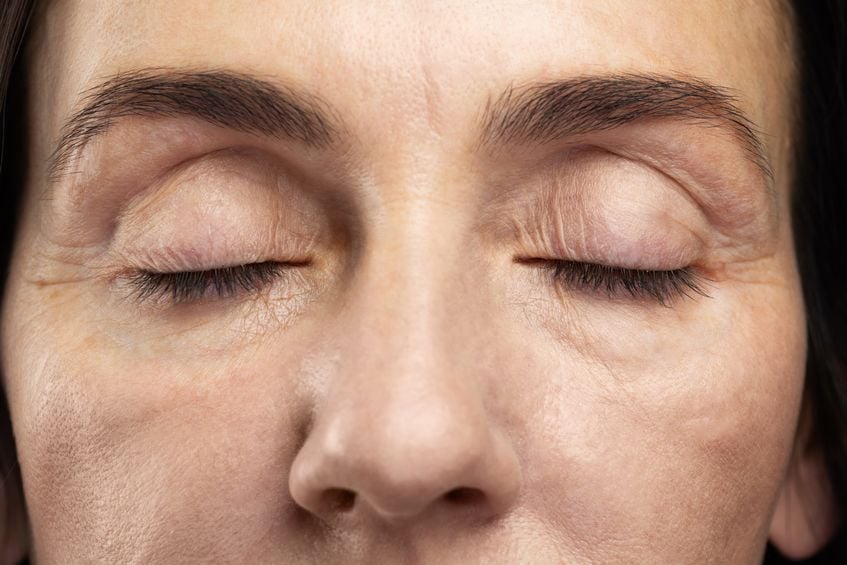
Healthy Eyelids Support Healthy Vision
Your eyelids do much more than blink. They help protect your eyes from dust and debris while spreading tears across the surface to keep your eyes comfortable and your vision clear. When an eyelid condition develops, it can affect more than appearance—it may also interfere with the way you see. Recognizing the symptoms early can help prevent discomfort and protect long-term eye health.
Everyday protection
Every time you blink, your eyelids spread a thin layer of tears across the eye to keep the surface smooth and hydrated. They also help remove small particles that could irritate or damage the eye. Healthy eyelids are essential for maintaining clear, comfortable vision throughout the day.
Drooping eyelids
A drooping upper eyelid, known as ptosis, can partially block the pupil and reduce your field of vision. Some people notice difficulty reading, driving, or seeing objects above them. Others may unconsciously raise their eyebrows or tilt their head back to improve their view, which can lead to headaches or neck discomfort over time.
Eyelids that turn inward or outward
As we age, the eyelids can sometimes change position. An inward-turning eyelid, called entropion, causes the eyelashes to rub against the eye, leading to irritation, redness, and possible damage to the cornea. An outward-turning eyelid, known as ectropion, prevents tears from spreading properly, often causing dry eyes, excessive tearing, and blurry vision.
Inflammation along the eyelids
Blepharitis is a common condition that causes inflammation around the eyelid margins. It can lead to redness, crusting, burning, and fluctuating vision by disrupting the tear film. While symptoms are often mild at first, ongoing inflammation can make the eyes feel irritated and uncomfortable if left untreated.
When symptoms need attention
Many eyelid conditions develop gradually, but some symptoms deserve prompt evaluation. Persistent blurry vision, increasing redness, swelling, eyelid pain, or a noticeable lump should be examined by an eye doctor. Sudden eyelid drooping, severe pain, or vision loss should never be ignored and require immediate medical attention.
Supporting long-term eye health
Many eyelid conditions respond well to treatment when identified early. Regular comprehensive eye exams allow your eye doctor to evaluate both your vision and the health of your eyelids before symptoms become more serious. If you notice changes in your eyelids or vision, scheduling an evaluation can help protect your eyesight and keep your eyes healthy for years to come.