
Managing Glaucoma
Glaucoma is a progressive eye condition that requires consistent treatment to protect vision. For many patients, prescription eye drops are the first line of defense. These medications can effectively lower intraocular pressure (IOP), but for some people, they don’t provide lasting results—or they become difficult to manage due to side effects or daily use. If you’ve noticed that your drops aren’t working as they should, there are several safe and effective alternatives to consider.
When drops drop the ball
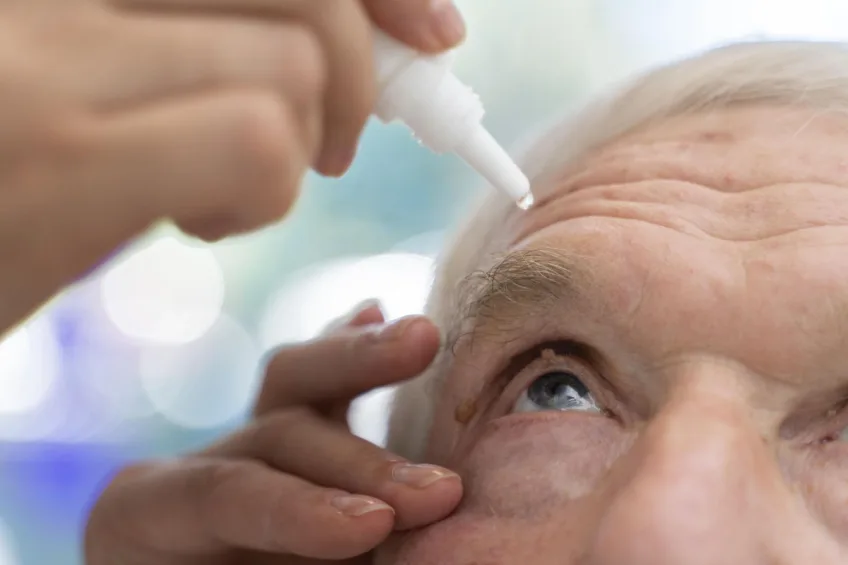
Over time, glaucoma medications may lose effectiveness as the body develops tolerance. This doesn’t always mean the disease is worsening, but it may signal that a different approach is needed. Some patients also experience irritation or dryness from preservatives in drops, which can make it difficult to keep up with treatment. Others struggle with remembering multiple doses each day or with the cost of long-term medications. Even when patients are diligent, eye drops may not fully control pressure if they aren’t applied correctly.
Alternatives beyond drops
When medications alone aren’t enough, your doctor may recommend other treatments. One leading option is Selective Laser Trabeculoplasty (SLT). This office-based laser procedure enhances the eye’s natural drainage system and can lower pressure by about 20–30%. In many cases, SLT reduces or even eliminates the need for daily drops for several years.
For patients who need more significant or long-lasting control, surgery may be an option. Trabeculectomy, drainage implants, and minimally invasive glaucoma surgery (MIGS) all create new pathways for fluid to leave the eye, helping to keep pressure stable. These procedures are generally considered when other methods aren’t enough, but they can be highly effective at preserving vision.
Some patients may also benefit from combination medications. These pair two pressure-lowering agents into a single bottle, reducing the number of daily doses and exposure to preservatives. Simplifying treatment in this way often improves adherence and reduces irritation.
Important considerations
Before moving to the next step, it’s important to work closely with your ophthalmologist. Together, you’ll weigh your health history, lifestyle, and the potential benefits and risks of different approaches. Cost and convenience also play a role. For example, some patients may find that investing in laser therapy reduces long-term expenses by cutting down on prescription refills.
Moving forward with confidence
If your glaucoma medications aren’t working, it doesn’t mean you’re out of options. Advances in laser therapy, surgery, and combination treatments make it possible to maintain healthy eye pressure even when drops fall short. The most important step is staying proactive and communicating with your eye care provider. With the right treatment plan, most patients with glaucoma are able to protect their vision.