
Understanding Silent Vision Loss
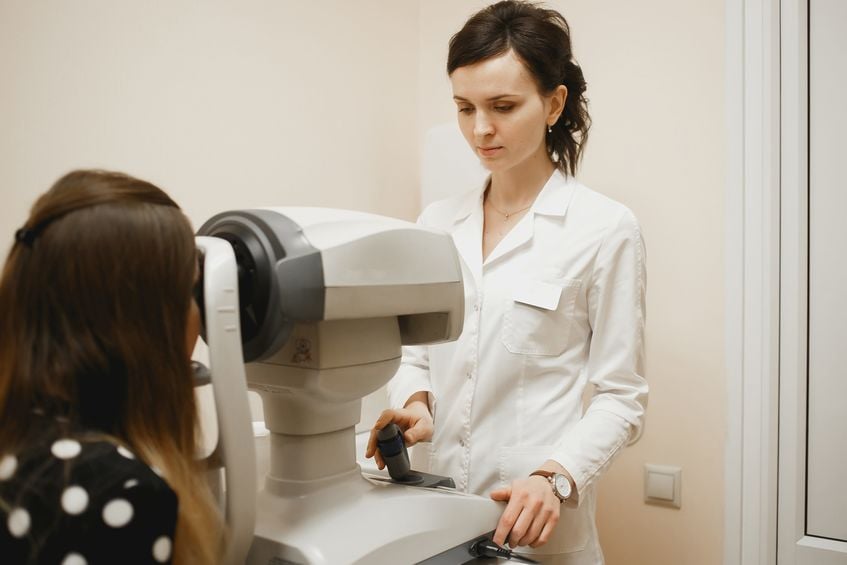
Glaucoma is often called the “silent thief of sight” because it can develop without noticeable symptoms. Many people do not realize they have the condition until vision changes have already occurred. The disease affects the optic nerve, which carries visual information from the eye to the brain. Since damage caused by glaucoma cannot usually be reversed, early detection plays an important role in protecting long-term vision. Routine eye exams are often the best way to identify glaucoma before symptoms become severe.
Measuring eye pressure
One of the first steps in glaucoma screening involves measuring the pressure inside the eyes. This test, known as tonometry, helps determine whether pressure levels are higher than normal. Elevated pressure can place stress on the optic nerve over time, although glaucoma may still develop even when pressure readings appear normal. The test is quick and generally painless, often involving numbing drops and a gentle instrument touching the eye’s surface. These measurements provide important information about overall eye health.
Evaluating side vision
Glaucoma often affects peripheral vision first, making side vision testing an important part of diagnosis. During this exam, patients focus on a central point while small lights appear in different areas of the visual field. The test helps identify areas where vision may already be reduced, even if changes have not yet been noticed in daily life. Because glaucoma can affect each eye differently, both eyes are evaluated separately. Detecting these subtle changes early may help slow further progression.
Examining the optic nerve
A close examination of the optic nerve allows eye doctors to look for signs of damage linked to glaucoma. Special microscopes and imaging tools help evaluate the shape, color, and appearance of the nerve. In some cases, photographs or advanced scans are taken to monitor changes over time. These images help compare results from future appointments and identify progression that may otherwise go unnoticed. Careful monitoring supports more accurate diagnosis and treatment planning.
Advanced imaging tests
Additional testing may be recommended when more detailed information is needed. Optical coherence tomography, commonly called OCT, creates highly detailed images of the optic nerve and surrounding tissue. This technology measures the thickness of nerve fibers and can reveal early changes before vision loss becomes noticeable. Another test may evaluate the drainage angle within the eye to determine how fluid is flowing. These advanced evaluations help identify the specific type of glaucoma and guide treatment decisions.
Understanding the results
Most glaucoma test results are reviewed during the appointment. If certain findings suggest increased risk, additional monitoring or treatment may be recommended. Some patients may be considered “glaucoma suspects,” meaning changes are present but more observation is needed before a definite diagnosis is made. Treatment often focuses on lowering eye pressure through medicated eye drops, laser procedures, or surgery when necessary. Ongoing follow-up appointments help track stability and protect remaining vision.
Protecting long-term eye health
Regular eye exams remain one of the most effective ways to detect glaucoma early. Since symptoms often develop slowly, routine evaluations help identify problems before significant vision loss occurs. Early diagnosis allows treatment to begin sooner, helping reduce the risk of permanent damage. Consistent monitoring and timely care can support clearer vision and better long-term eye health.