
Why Timing Matters
Many adults assume eye exams are only necessary when vision changes become noticeable. In reality, several eye conditions develop gradually and without obvious symptoms. Vision may remain clear even while internal changes occur within the eye. Regular exams help identify concerns before they begin interfering with daily activities. Understanding recommended exam timing supports proactive eye care.
Beyond vision checks
A comprehensive eye exam evaluates more than visual clarity. Eye care providers examine the retina, optic nerve, and blood vessels, which can reflect overall health. Subtle changes in these structures may signal conditions such as high blood pressure or blood sugar imbalance. Because the eyes provide a direct view of these systems, exams offer valuable insight beyond eyesight alone. This makes routine evaluations an important part of preventive care.
Age based guidance
Eye exam frequency often depends on age and overall eye health. Adults under 40 with no vision concerns may require exams less often. After age 40, changes in near vision and increased risk for eye disease become more common. Older adults typically benefit from more frequent monitoring as age-related conditions develop gradually. These timelines help balance early detection with ongoing visual stability.
Health history influence
Certain medical conditions may require more frequent eye exams regardless of age. Blood sugar disorders, autoimmune conditions, and a family history of eye disease can increase the risk for vision changes. Long-term medication use may also affect eye health over time. In these situations, it is often recommended that eye exams occur annually. Personalized care plans help ensure appropriate monitoring.
Silent conditions explained
Some eye diseases progress without early warning signs. Glaucoma, for example, may affect peripheral vision gradually and painlessly. Macular changes may develop slowly while central vision remains sharp at first. Regular exams allow these conditions to be identified before permanent vision loss occurs.
What exams include
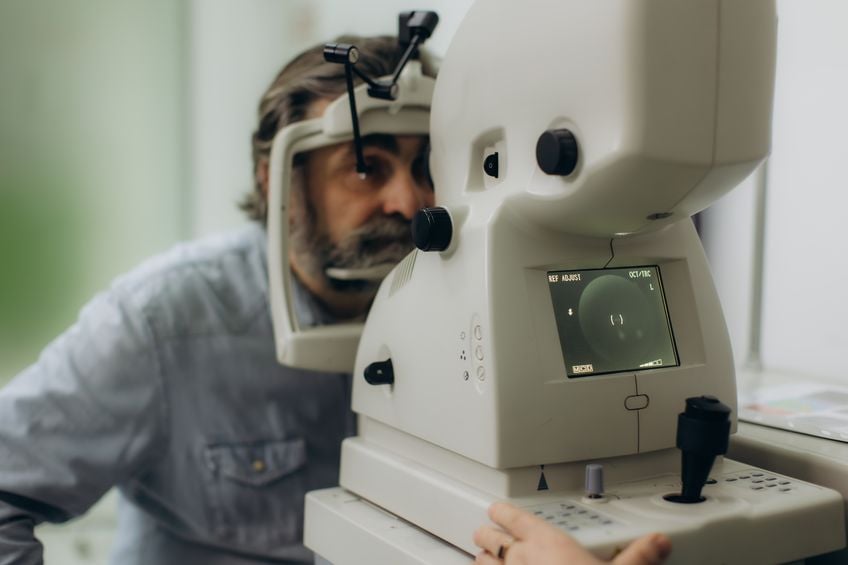
Most adult eye exams involve vision testing and a thorough evaluation of eye structures. Specialized instruments allow providers to examine the lens, retina, and optic nerve in detail. Pupil dilation may be used to improve visibility during the exam. This process is temporary but plays a key role in detecting early changes. The entire visit typically takes less than an hour.
Protecting long-term vision
Routine eye exams support clear vision and overall eye health at every stage of adulthood. Exam schedules are based on how eyes change over time and when conditions are most likely to appear. Consistent monitoring allows concerns to be addressed before they impact quality of life. Eye exams remain one of the most effective tools for preserving vision long term.