
Quiet Progression Over Time
Glaucoma often progresses without obvious symptoms in its early stages. Vision loss develops gradually, which is why many people do not realize damage is occurring until it becomes advanced. Millions of adults over age 40 are affected, and many remain undiagnosed. This silent nature makes understanding what drives progression essential for protecting long-term vision.
Pressure and nerve damage
The main cause of glaucoma progression is increased pressure inside the eye. This happens when fluid production and drainage become unbalanced. The eye’s drainage system, called the trabecular meshwork, becomes less efficient or partially blocked over time.
As pressure rises, it places stress on the optic nerve. This nerve carries visual signals from the eye to the brain and is highly sensitive to damage. Reduced blood flow can make the nerve even more vulnerable by limiting oxygen and nutrient delivery. Over time, this combination leads to gradual and irreversible vision loss.
Aging and structural decline
Age is one of the strongest factors in glaucoma progression. As the eye ages, the drainage system becomes less effective. Cells in the trabecular meshwork decline and may be replaced with stiffer tissue that slows fluid outflow.
The optic nerve also becomes more fragile with age. Nerve fibers slowly decrease over time, reducing the eye’s ability to tolerate pressure changes. Blood vessels supplying the optic nerve may also narrow, further limiting support. These natural changes make progression more likely even when pressure increases are small.
Genetics, risk factors, and daily triggers
Family history is one of the strongest risk factors for glaucoma progression. Individuals with a first-degree relative who has glaucoma are significantly more likely to develop the condition, and genetic factors can also influence how the optic nerve responds to changes in eye pressure over time. Having glaucoma in both eyes may further increase the likelihood of faster progression compared to one eye being affected.
Beyond genetics, several health and lifestyle factors can influence how glaucoma develops. Systemic conditions such as poor cardiovascular health or metabolic disease can reduce blood flow to the optic nerve, making it more vulnerable to damage. Daily habits may also play a role, as high caffeine intake, poor sleep quality, smoking, and inconsistent treatment routines can all contribute to fluctuations in eye pressure and overall disease stability.
Staying ahead of vision changes
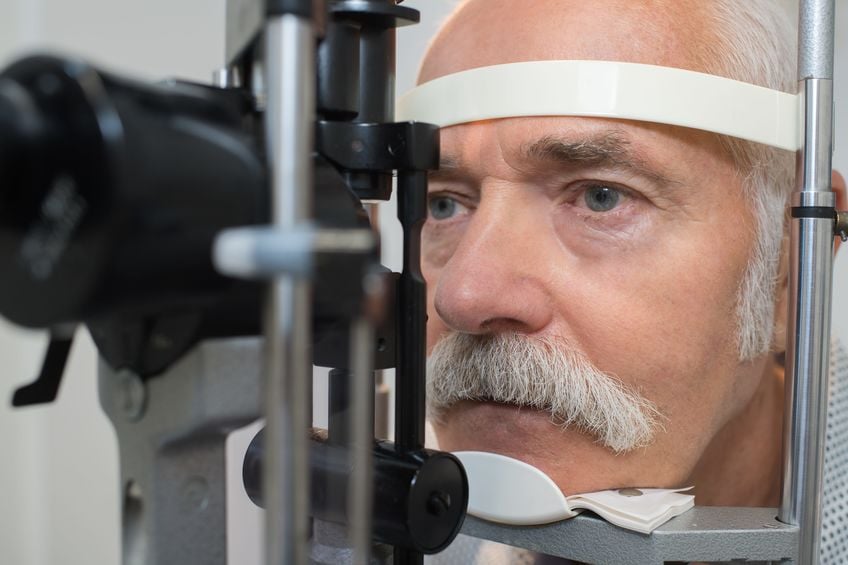
Routine eye exams allow your doctor to track pressure levels, optic nerve changes, and visual field results over time. These measurements help determine whether treatment is working or needs adjustment. Because glaucoma changes slowly, ongoing monitoring is essential for catching progression early.
Protecting long-term eye health
Glaucoma worsens over time due to a combination of pressure changes, aging, genetics, medications, and lifestyle factors. While some risks cannot be changed, many can be managed effectively. With consistent treatment and regular monitoring, progression can often be slowed and vision preserved for the long term.