
Understanding Cataracts
Cataracts are one of the most common causes of age-related vision changes. They develop gradually, often without noticeable symptoms in the early stages, making routine eye exams important for early detection. While cataracts are a natural part of aging for many people, certain lifestyle habits and health conditions can influence how quickly they develop.
How cataracts develop
The natural lens inside your eye is clear and helps focus light onto the retina. As you age, proteins within the lens begin to break down and clump together, creating cloudy areas that interfere with how light passes through the eye. This process causes vision to become blurry, dull, or less sharp over time. Although these changes often begin in middle age, symptoms may not become noticeable until years later.
Factors that increase risk
Age is the leading cause of cataracts, but it is not the only one. Diabetes, smoking, prolonged exposure to ultraviolet (UV) light, previous eye injuries, and certain medical conditions can all increase the likelihood of developing cataracts earlier or cause them to progress more quickly. A family history of cataracts may also increase your risk. Knowing these factors allows your eye doctor to monitor your vision more closely when appropriate.
Healthy habits for your eyes
While cataracts cannot be completely prevented, healthy lifestyle choices may help slow their progression. Wearing sunglasses that block 100% of UVA and UVB rays helps protect the lens from long-term sun damage. Eating a balanced diet rich in fruits, vegetables, and foods containing vitamins C and E provides antioxidants that support eye health. Avoiding smoking and maintaining an active lifestyle can also benefit both your eyes and your overall health.
Staying ahead of vision changes
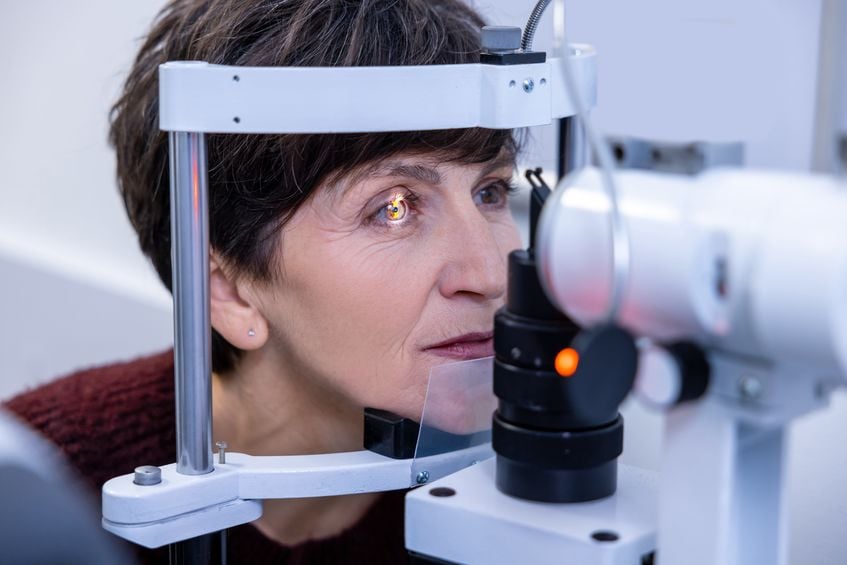
Regular comprehensive eye exams remain one of the best ways to detect cataracts before they significantly affect your vision. Your eye doctor can monitor subtle changes, recommend updated glasses when appropriate, and help determine when cataract surgery may become beneficial. Early monitoring allows you to make informed decisions rather than waiting until daily activities become difficult. Protecting your vision starts with routine care and healthy habits that support your eyes for years to come.