
Understanding Glaucoma
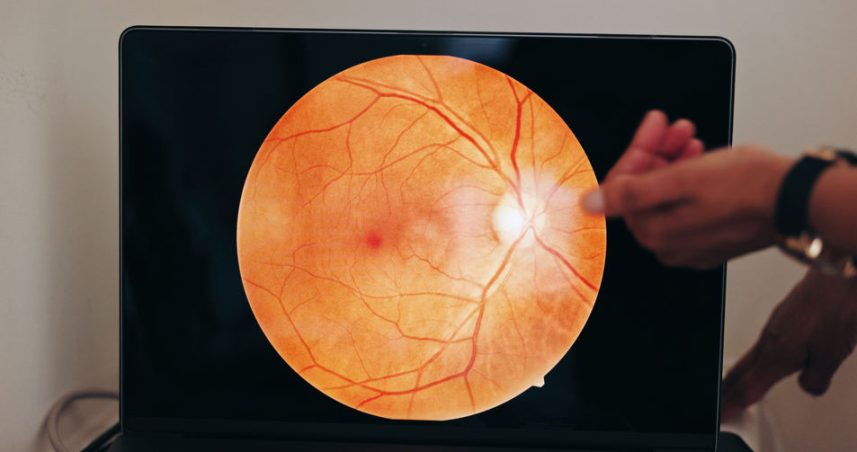
Glaucoma is a group of eye conditions that damage the optic nerve, the structure responsible for carrying visual signals to the brain. In many cases, this damage is associated with increased pressure inside the eye. Over time, elevated pressure places stress on delicate nerve fibers, gradually impairing their function. Because optic nerve damage cannot be reversed, untreated glaucoma can lead to permanent vision loss.
Why glaucoma often has no early warning signs
One of the most concerning aspects of glaucoma is how quietly it develops. Early stages typically cause no pain and no noticeable changes in central vision. Peripheral vision is usually affected first, and subtle side vision loss can be difficult to detect during daily activities. As a result, the condition may progress for years without obvious symptoms, making routine eye examinations essential for early identification.
How vision changes over time
When glaucoma is not managed, optic nerve damage continues gradually. Peripheral vision narrows, reducing awareness of objects or movement to the side. This change can affect balance, coordination, and safe navigation in crowded or unfamiliar environments. As progression continues, the visual field may become increasingly restricted, sometimes leading to tunnel vision. In advanced stages, central vision can also become compromised, resulting in severe visual impairment.
Effects on daily life
Vision loss related to untreated glaucoma can interfere with routine tasks. Reading may become more difficult as visual field defects expand. Driving may feel less comfortable due to reduced side awareness. Difficulty recognizing faces or navigating dim lighting conditions may also develop. Because these changes happen slowly, adaptation often occurs gradually, which can delay recognition of the condition’s seriousness.
Risk factors to consider
Certain factors increase the likelihood of developing glaucoma. Advancing age, family history of glaucoma, and specific medical conditions can raise risk levels. Some populations also experience higher rates of certain glaucoma types. Understanding personal risk factors supports proactive monitoring and earlier detection.
Why early detection matters
Although glaucoma cannot be cured, progression can often be slowed with appropriate management. Treatment typically focuses on lowering intraocular pressure to reduce strain on the optic nerve. Options may include medicated eye drops, laser procedures, or surgical techniques, depending on the severity and type of glaucoma. The goal of treatment is preservation of existing vision, since lost vision cannot be restored.
Protecting long-term vision
Untreated glaucoma can result in irreversible damage, but early identification significantly improves outcomes. Regular comprehensive eye examinations remain the most reliable way to detect optic nerve changes before noticeable vision loss occurs. Ongoing monitoring and consistent management help protect visual function and maintain independence over time.