
Cutting-Edge vs. Tried-and-True
Cataract surgery is one of the safest and most effective procedures in modern medicine, with a complication rate under 2%. Millions of people have regained clear vision through this surgery, and today’s patients can choose between traditional and laser-assisted approaches. Both are highly effective, but understanding their differences—and how laser technology has advanced—can help you make the best choice for your vision.
What is laser cataract surgery?
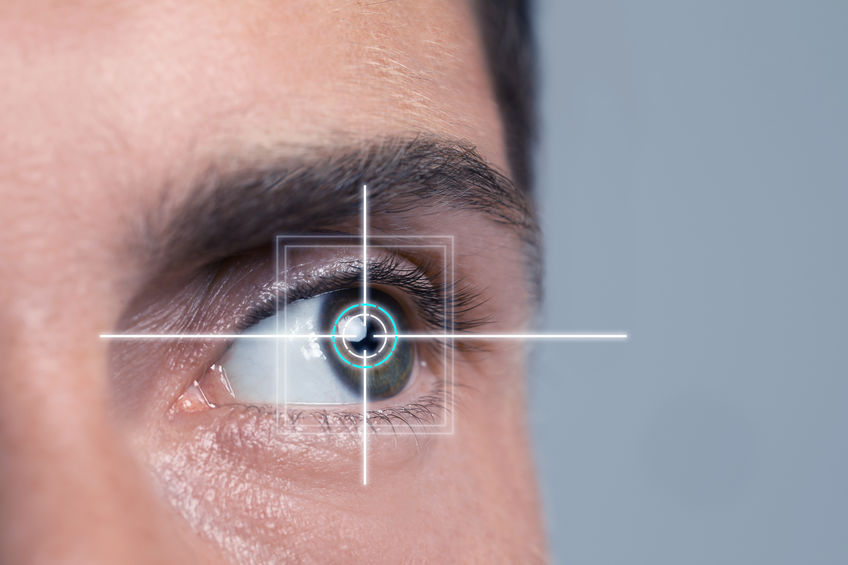
Laser cataract surgery is a newer, blade-free technique that uses an FDA-approved femtosecond laser to perform several critical steps of the procedure with exceptional precision. Each incision is mapped using the laser’s on-board computer, allowing for a high level of customization.
The computer system lets the surgeon design important details, such as the exact placement of incisions and how the cataract is broken apart. Real-time video imaging also provides a 3D view of the front of the eye during planning and surgery, ensuring accuracy at every stage.
How each approach works
In traditional cataract surgery, a small incision is made with a blade, and ultrasound energy is used to break up and remove the cloudy lens. A new artificial intraocular lens (IOL) is then placed to restore vision.
In laser-assisted surgery, the femtosecond laser creates the corneal incision and a perfectly centered opening in the lens capsule. The laser also softens the cataract, reducing the amount of ultrasound energy required. Both procedures take around 20–30 minutes and are typically performed on an outpatient basis.
Benefits of laser cataract surgery
Laser cataract surgery offers several potential advantages. More precise incisions mean less manipulation of the eye, which may lead to a more comfortable experience and faster recovery. The laser creates a more centered and consistent opening for lens placement, which can improve outcomes and reduce the need for glasses after surgery.
For patients with astigmatism, the laser can also make precise corneal incisions to reduce or correct the irregularity. Many people find that this level of accuracy helps improve overall vision and may reduce the number of steps during surgery.
Similar outcomes, different methods
Both traditional and laser-assisted cataract surgery are proven ways to restore clear vision. The right choice often depends on your eye health, visual goals, and lifestyle preferences. While traditional surgery offers excellent results for most patients, laser-assisted surgery provides advanced precision that can be especially beneficial in complex cases or for those seeking the latest technology.
A consultation with your eye care team can help you understand the options, weigh the benefits and risks, and make the decision that best protects your vision and quality of life.