
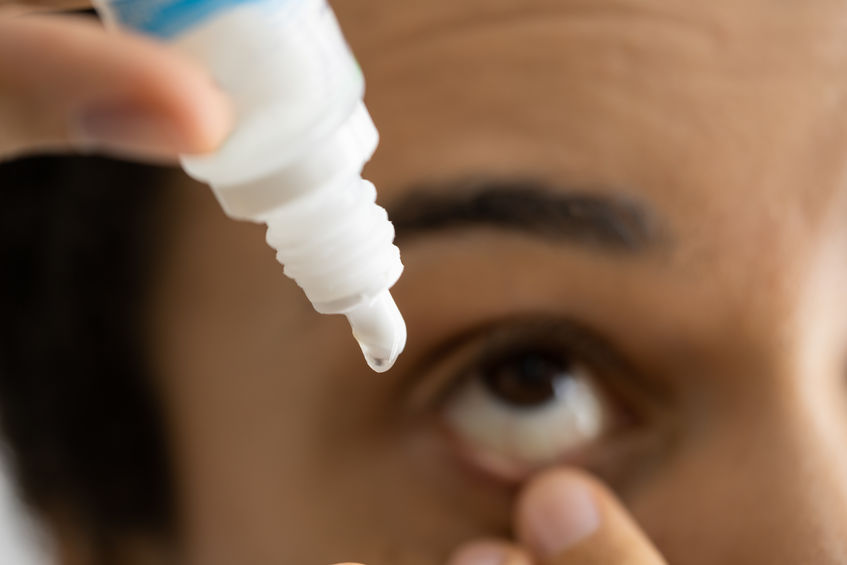
When Occasional Dryness Becomes Persistent
Dry eye often begins as mild irritation. Burning, stinging, or fluctuating vision may appear during screen use, seasonal changes, or contact lens wear. For some individuals, these symptoms gradually become more frequent and longer-lasting. Over time, dryness may no longer feel occasional. Long-term dry eye develops when the tear system cannot maintain a stable, protective surface on the eye. Instead of resolving on its own, irritation continues and may become part of daily life.
How the tear film becomes unstable
Healthy tears form a thin protective layer over the surface of the eye. This tear film contains three essential components: oil, water, and mucus. Each layer plays a role in keeping vision clear and the eye comfortable. When one or more of these layers becomes imbalanced, tears may evaporate too quickly or fail to provide enough moisture. This instability leaves the eye surface exposed to ongoing irritation. Over time, repeated disruption can contribute to chronic dryness.
The role of inflammation
Inflammation plays a central role in long-term dry eye. When the eye surface becomes irritated, the body releases inflammatory signals. These signals can further disrupt tear production and reduce tear quality. As inflammation continues, tear instability may worsen. This creates a cycle in which dryness leads to irritation, and irritation leads to more dryness. Without interruption, this pattern can make symptoms more persistent.
Factors that increase long-term risk
Several factors can contribute to chronic dry eye. Natural aging may reduce tear production. Hormonal changes can alter tear composition. Autoimmune conditions may affect the glands responsible for producing tears. Environmental conditions also play a role. Low humidity, air conditioning, heating systems, and prolonged screen use can all increase tear evaporation. Certain medications may reduce moisture production as well. When multiple factors are present, the likelihood of ongoing dryness increases.
Why early attention matters
Dry eye that continues for extended periods rarely resolves without targeted management. Because inflammation and tear imbalance reinforce one another, early intervention helps prevent the cycle from becoming entrenched. Identifying contributing factors allows for a more individualized care approach. Monitoring symptoms over time also supports better long-term control.
A manageable long-term condition
Although dry eye can become chronic, it is often manageable with consistent care. Treatment strategies may focus on improving tear quality, reducing inflammation, and supporting the eye’s natural protective barrier. Environmental adjustments and lifestyle modifications may also play a role. With proper evaluation and ongoing management, comfort and visual stability can often be significantly improved.